
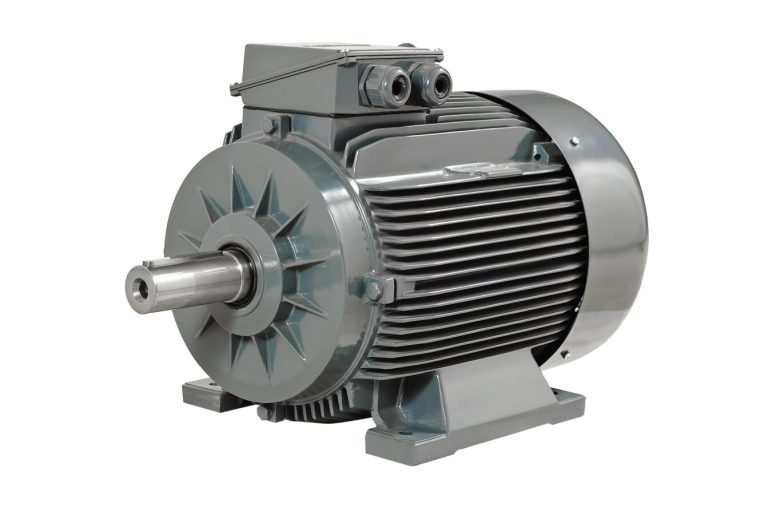
Three-phase asynchronous general purpose electric motors
Electric motor series:
– Aluminum housing version AGM, AGM2, AGM3, AGM4 series
– Cast iron housing version GM, GM2, GM3E, GM4E series
Available power: 0.12 kW – 1000 kW
Operating mode: S1
Frequency: 50 Hz
Rated voltage: 400V
Insulation class: F, H
Protection degree: IP55 (standard), IP56, IP65, IP66 (additional options)
Output speed of electric motors, rpm: 3000, 1500, 1000, 750
Efficiency class:
– IE1 (general purpose)
– IE2 (high efficiency)
– IE3 (Premium Efficiency)
– IE4 (Super Premium Efficiency)
Mounting position:
– B3 foot mounting
– B5 flange mounting (large flange)
– B14 flange mounting (small flange)
– B35 foot-flange version (large flange)
– B34 foot-flange version (small flange)
Motor options:
– Roller bearing on the output shaft
– Forced cooling of the electric motor
– Electric motor heating
– Winding protection against overheating 3xRTS, 3xPT100
– Bearing protection 2xPT100 DE&NDE
– Insulated bearing installation
– Metal cable glands
– Tropical version
Standard three-phase asynchronous motor with double polarity for general industrial applications, with squirrel-cage rotor, closed, with external self-ventilated. Three-phase asynchronous motors are widely used in industrial installations, vehicles, compressors, pumps, conveyor systems and many other industries due to their advantages such as energy efficiency, reliability and durability.
What is an induction motor?
An induction motor is a type of electric motor that converts electrical energy into mechanical energy. Induction motors are widely used in industry and are typically powered by alternating current (AC). In essence, induction motors generate motion through the interaction of rotating magnetic fields that maintain a constant speed of rotation of the rotor.
Magnetic field generation: Rotating magnetic fields are generated in the stator (stationary part) of an induction motor using three-phase alternating current electrical energy. These fields interact with the rotor, which is usually made of a conductive material.
Rotor induction: The rotor (the rotating part) contains a steel core or bars to generate magnetic fields on it. When magnetic fields are created inside the rotor, an electromagnetic current is induced in it.
Interaction of electromagnetic current and magnetic field: The electromagnetic current generated in the rotor interacts with the magnetic fields of the stator. As a result of the interaction, the magnetic fields of the rotor begin to move, which leads to the rotation of the rotor.
Rotational motion: As a result of the interaction of magnetic fields, the rotor moves in response to the rotation of the magnetic fields, which leads to its rotation.
Rotational motion occurs due to the interaction of the magnetic fields of the rotor and stator, which is ensured by the creation of electromagnetic currents. Asynchronous motors perform mechanical work using this rotational motion, which is why they are widely used in industry and household appliances.
Structure of a three-phase asynchronous motor
Stator: The stator is a fixed part and is usually located on the outside of the motor. Three-phase alternating current electrical energy is supplied to the stator. This energy, passing through the windings (coils) inside the stator, creates a magnetic field. The stator windings are usually wound around cores of magnetic materials called laminates. These magnetic fields create rotating magnetic fields that cause the rotor to move.
Rotor: The rotor is the inner part and is the rotating component. It is usually made of steel cores or rods. The magnetic fields created by the stator interact with the rotor conductors, inducing electromagnetic currents in it. These currents create the rotor’s magnetic field and cause it to rotate.
Types of Electric Motors
Three-phase motors: Motors that convert electrical energy into mechanical energy using three separate phases. Commonly used in industrial applications.
Single-phase motors: Motors that operate on a single phase and are commonly used in household appliances.
Direct Current (DC) Motors: Direct current (DC) motors come in different types: series-wound, parallel-wound, and compound-wound.
Other Motor Types: There are other types of motors, including universal (which operate on both AC and DC) and linear (which provide linear motion).
Electric motors are used to provide power in a variety of applications, and the choice depends on the specific application and performance requirements.
Manufacturing and Fabrication:
Conveyor Systems: Used to transport materials and in assembly lines.
Compressors: Used in air and gas compression processes.
Pumps: Used to move liquids and create pressure.
Fans and Blowers: Used in ventilation systems and industrial facilities.
Oil and Gas Industry:
Pumps: Used for transporting and processing oil and gas.
Compressors: Used for compressing gases.
Power Generation and Distribution:
Generators: Used for generating electricity.
Transformers: Used for converting and distributing electricity.
Mining and Metallurgy:
Conveyors and Belts: Used in material handling processes in mines and metallurgical plants.
Milling and Grinding Machines: Used for processing minerals.
Cranes and Elevators: Used for lifting and transporting loads.
Automotive Industry:
Automotive Production Lines: Used on assembly lines.
Automotive Painting and Coating Systems: Used in painting and coating processes.
Advantages of Three-Phase Asynchronous Motors
Three-phase asynchronous motors have a number of advantages:
High efficiency: These motors are known for their efficiency in converting electrical energy into mechanical energy, which leads to reduced energy consumption and operating costs.
Durability: They are designed to operate in difficult operating conditions, which makes them reliable and durable for long-term use.
Low maintenance: They require minimal maintenance, which makes them reliable and durable for long-term use.